Work About Contact Get in touch
Clementine Ewins

Impact-led
entrepreneur.
Builder. Growth operator.

I build things, make them grow, automate what can be automated, and learn from real-world behaviour.

Scroll

Explore, don't just read

Marketplace · Early-stage

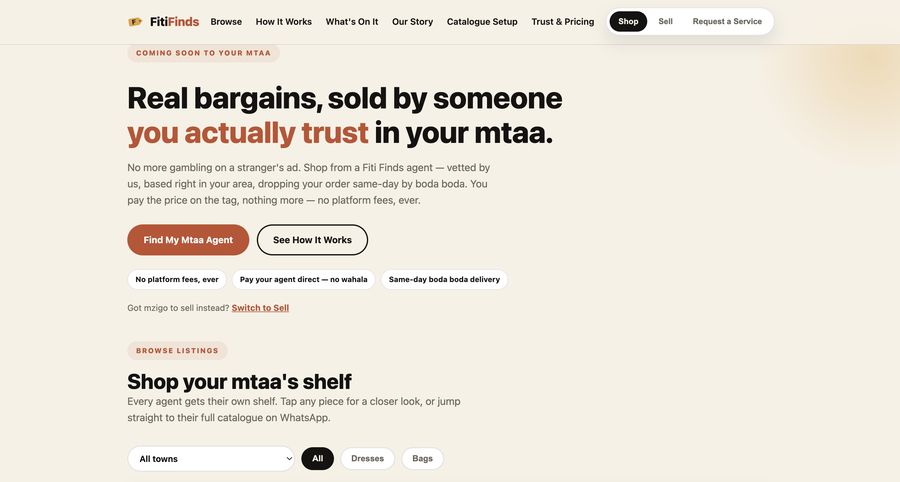
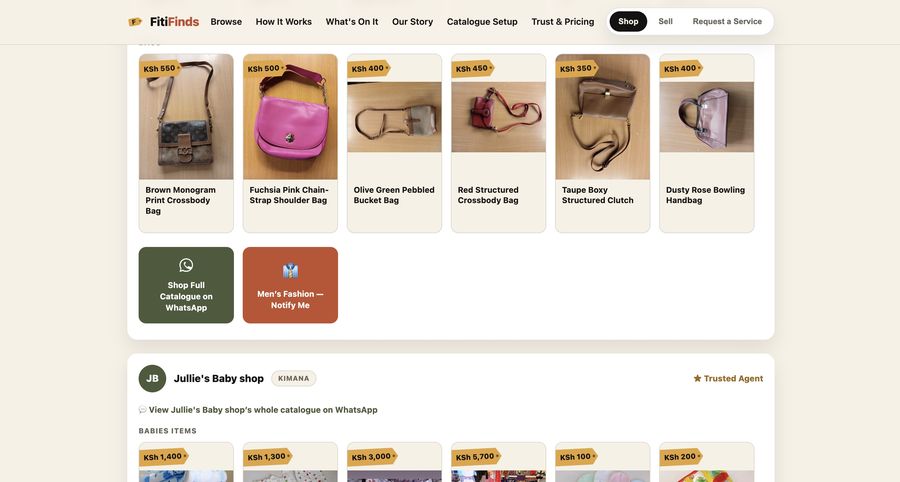
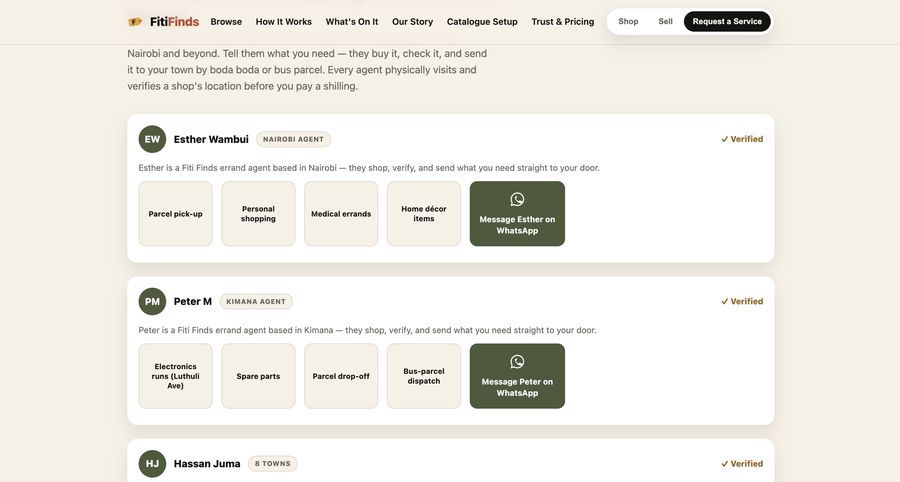
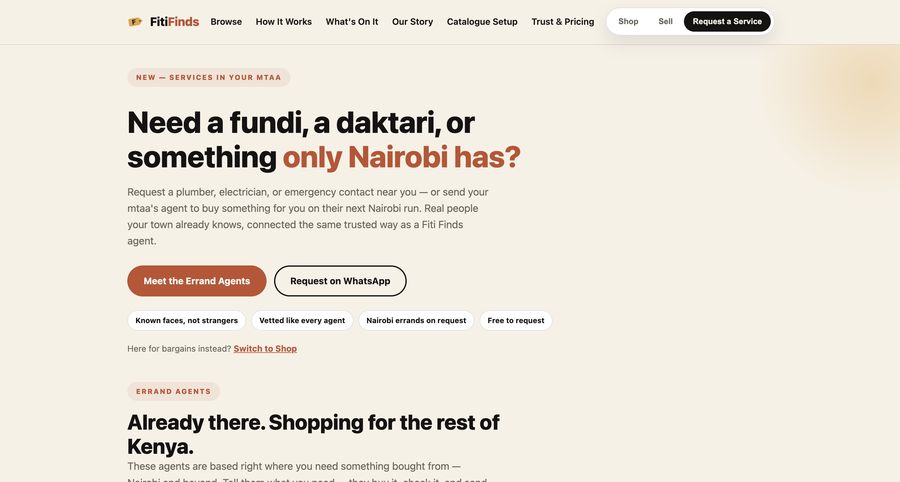
FitFinds

Hyperlocal commerce infrastructure, connecting real buyers and sellers in Kenya.

AI product · Prototype

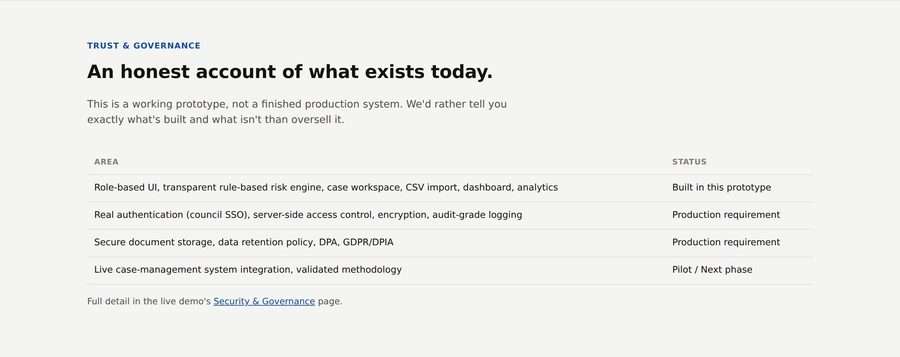
Complaint Risk Triage

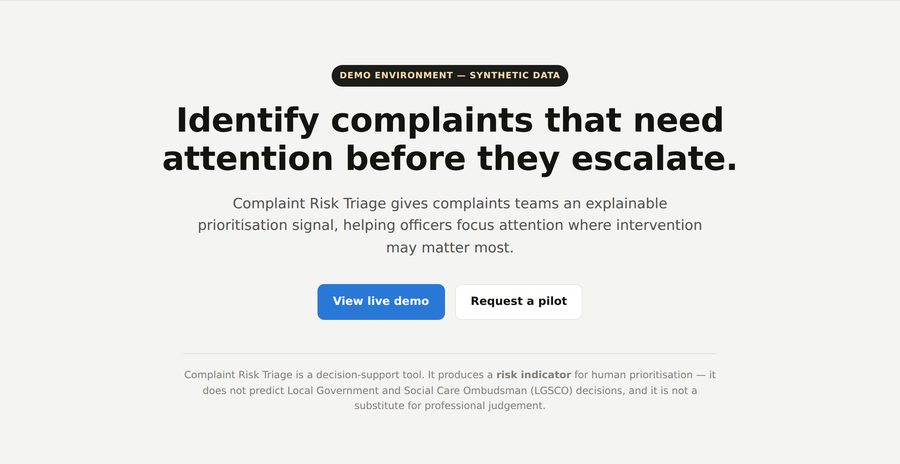
Explainable AI triage that helps officers catch at-risk cases sooner.

Wellness product · Solo

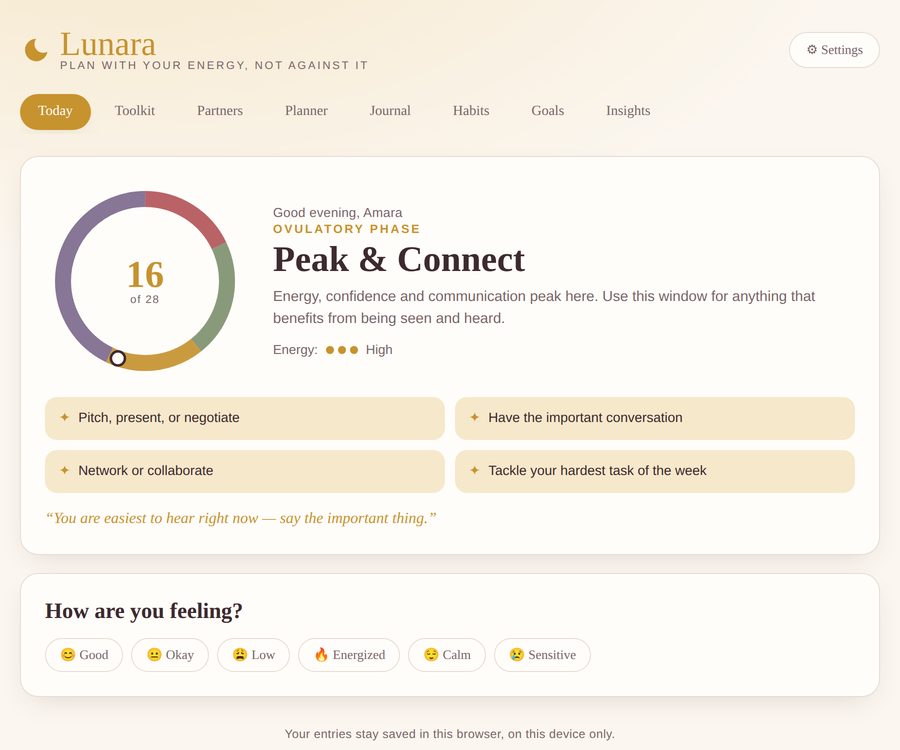
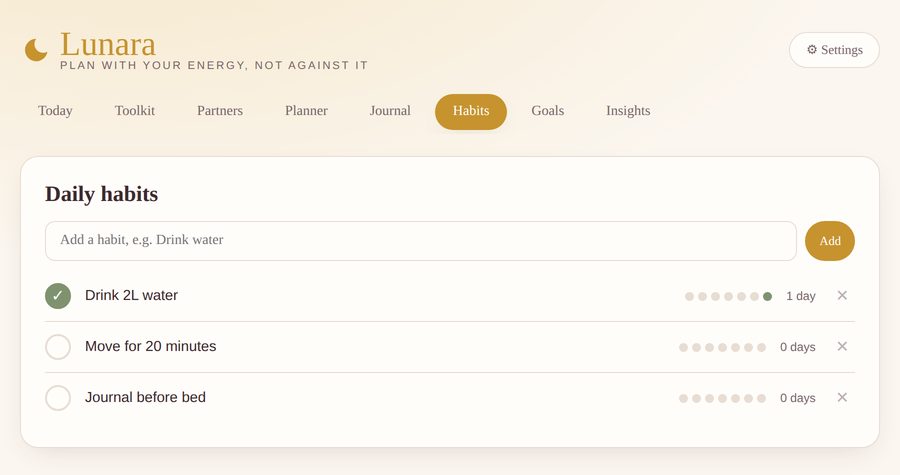
Lunara

A cycle-synced productivity app, built for her and for the people around her.

Fashion-tech · Solo

VestiVogue

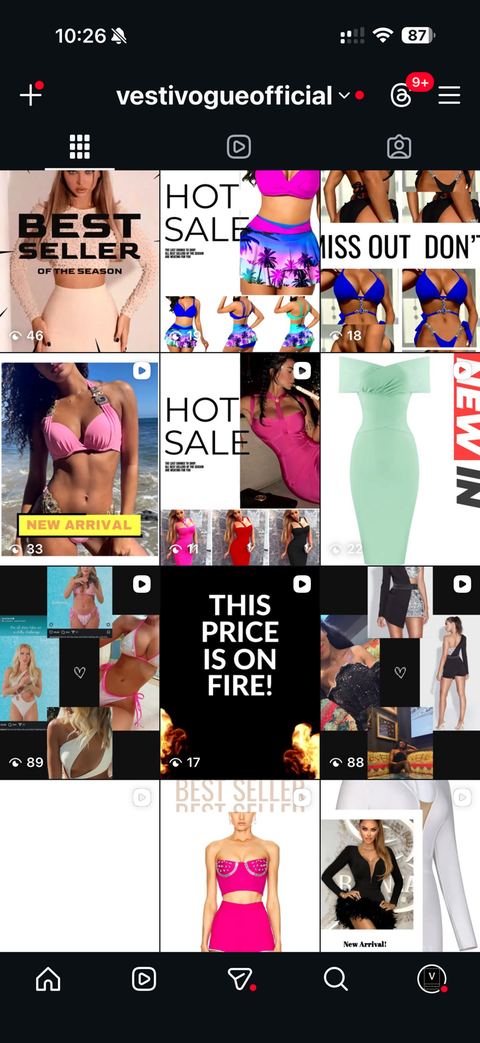
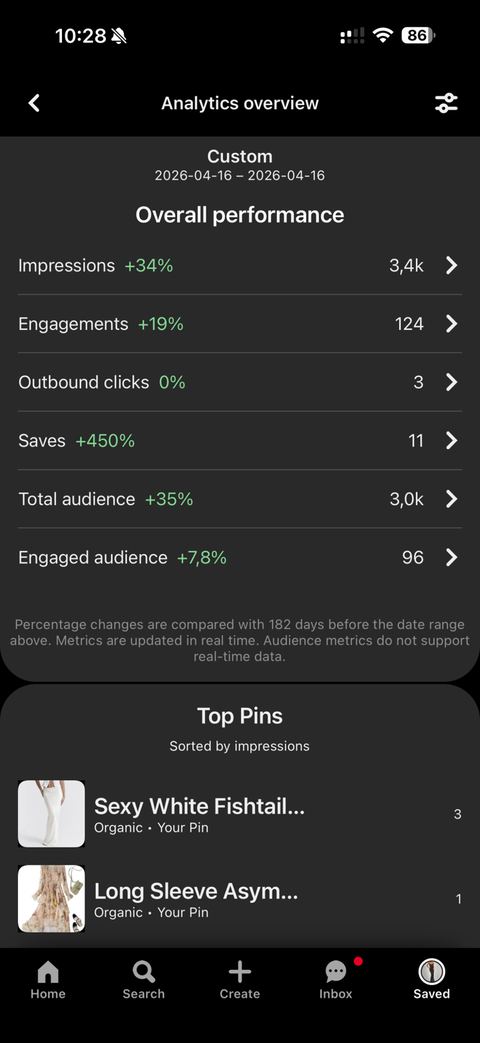
Built solo from zero, no paid ads, and real growth to show for it.

FitFinds

"Can local commerce become trusted digital commerce?"

Early-stage · Live in Kenya
Why

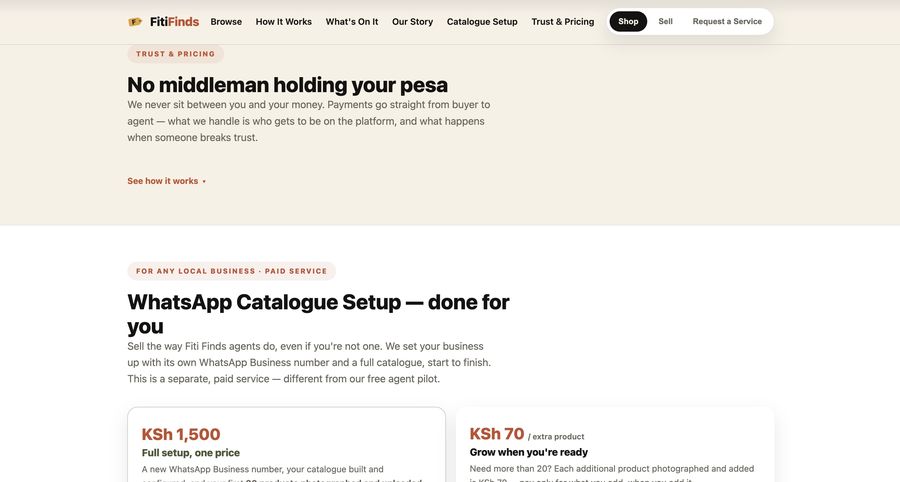
Buyers and sellers already trade over WhatsApp and Facebook in Kenya, but there's no way to search, compare or verify who they're actually dealing with.

What

One searchable, verified marketplace for that same informal trade, with local agents providing the human trust layer software alone can't replace.

Why now
$1.4T

Africa's mobile money market in 2025, per GSMA, roughly three quarters of the world's total, with M-PESA at the centre of it in Kenya.

Source: GSMA, State of the Industry Report on Mobile Money, 2025/26.

I'm already learning a lot here, mostly about social buying and commerce in Kenya. Trust isn't just a word, it's lived. Someone wants to know who's actually selling to them. Can they connect it back to a family they already know? Could they turn up at the shop, the kiosk, the kibanda, if they needed to? That matters more than almost anything else.

It means the go-to-market here has to be different. Digital ads won't work. Word of mouth will be far more powerful, but only once the risk to a buyer is as close to zero as I can get it.

Sellers need their own kind of proof too: total confidence that the platform isn't quietly holding their money. That rules out the usual commission-on-sales model, so instead I'm handing the buyer to the seller directly and staying out of the transaction. It sounds unusual, but it's how trust actually gets built on both sides. Only once that trust is embedded does it make sense to think about monetising through commission. For now, sellers pay a flat monthly fee instead, which also removes a lot of friction for me as founder.

It's an exciting project precisely because it isn't a simple launch, advertise, get customers playbook.

Who it's for

Buyers and sellers already trading over WhatsApp and Facebook in Kenyan neighbourhoods, and the local agents who turn that informal trust into a real, verified transaction.

See it in action ↗

Complaint Risk Triage

"What if the complaints most likely to escalate didn't have to wait in line?"

Prototype · Synthetic data · Not yet piloted
Why

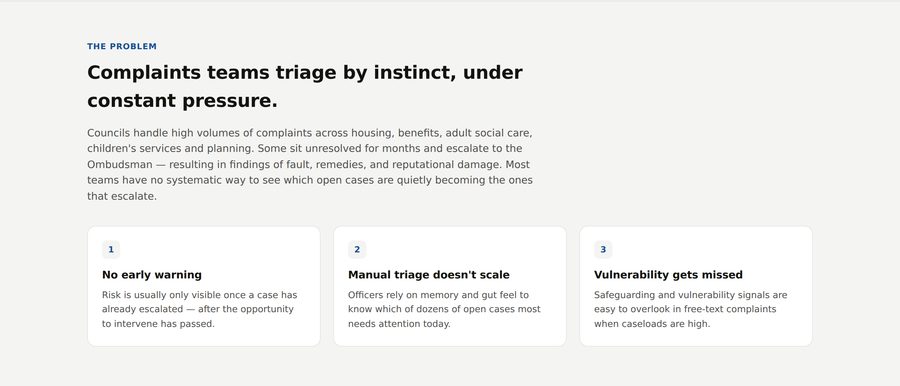
Council complaint teams are stretched thin. Caseloads keep climbing and most triage still happens by hand, with no consistent way to see what needs attention first.

What

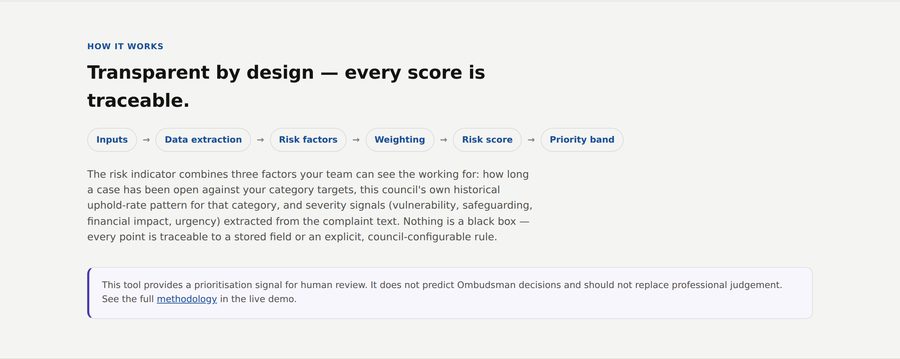
An explainable AI tool that scores every complaint by time open, a council's uphold-rate pattern and severity signals, so officers see what's likely to escalate today.

Why now
22,010

Complaints and enquiries LGSCO handled in 2024/25, up 15% for the second year running, with 83% of investigated cases upholding real fault.

Source: Local Government and Social Care Ombudsman, Annual Report and Accounts 2024-25.

This one is still early, honestly. Right now, getting three London councils to actually look at it would already feel like a win. If it gets that far, the real hurdle will be procurement. Local government moves slowly and carefully on anything that touches case data, and that's a genuinely great problem to have.

Who it's for

Complaints officers and managers trying to catch at-risk cases before they escalate, and ultimately the residents whose complaints are more likely to get the attention they need.

Complaint Risk Triage is a decision-support tool built on synthetic data. It is not a substitute for professional judgement, and it does not predict Ombudsman decisions.

View live demo ↗

Lunara

"Why does every productivity app assume consistent energy, every day?"

Built solo · Real, working product
Why

81% of women report their energy drops during their period, a real hormonal pattern, yet almost every productivity app still plans around one consistent day, every day.

What

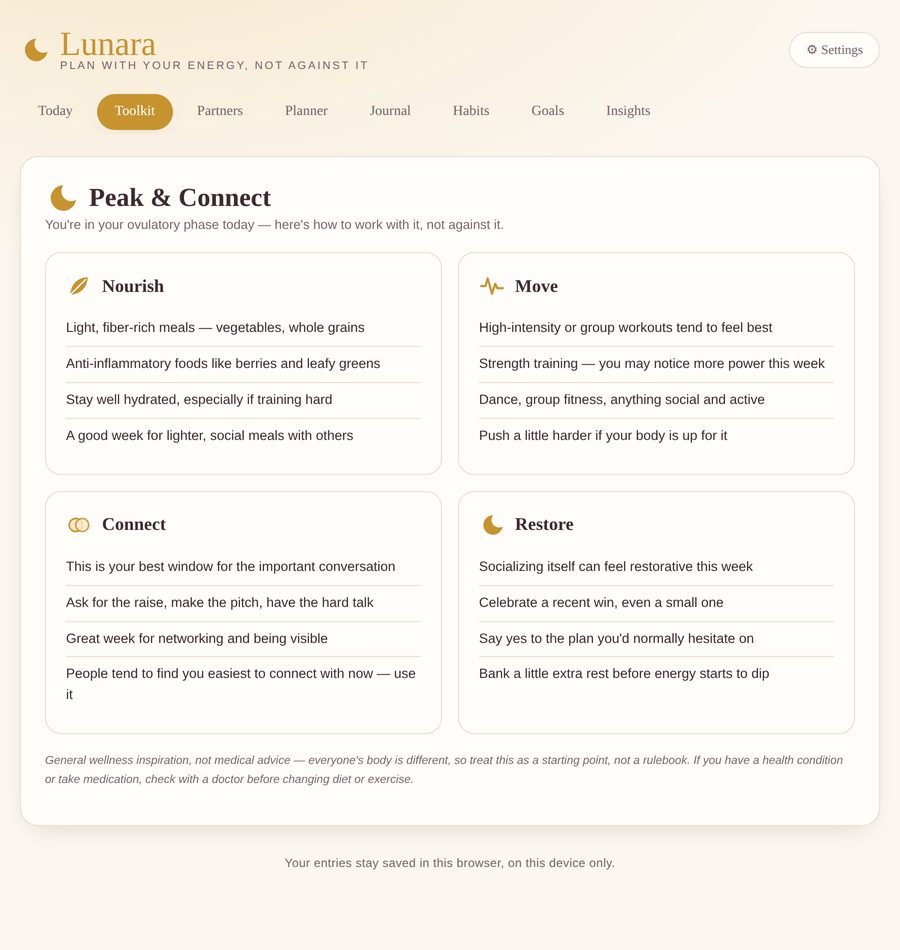
Lunara turns each phase of your cycle into a data point: a Today view, Toolkit, Journal, Habits, Goals and Insights that adapt to where you actually are.

Why now
94% vs 5%

Share of working women who'd want employer support for their cycle, versus the share who say they actually get it. Lunara is built for that gap.

Source: BMC Women's Health, 2025 survey of 372 working women.

I'm testing the concept on Etsy right now, just to see if people will actually buy it. It's a low-cost way to find real customers before spending anything on ads.

I tried something similar last year and got a good number of sign-ups building on Lovable, but couldn't scale past that because the subscription and developer fees compounded fast. This time, with Claude and a few self-taught hosting platforms, I can test the same idea for almost nothing.

There's real momentum building around hormonal productivity too, a shift from thinking about the cycle purely in reproductive terms to recognising its broader effect on wellbeing and how women actually work.

Who it's for

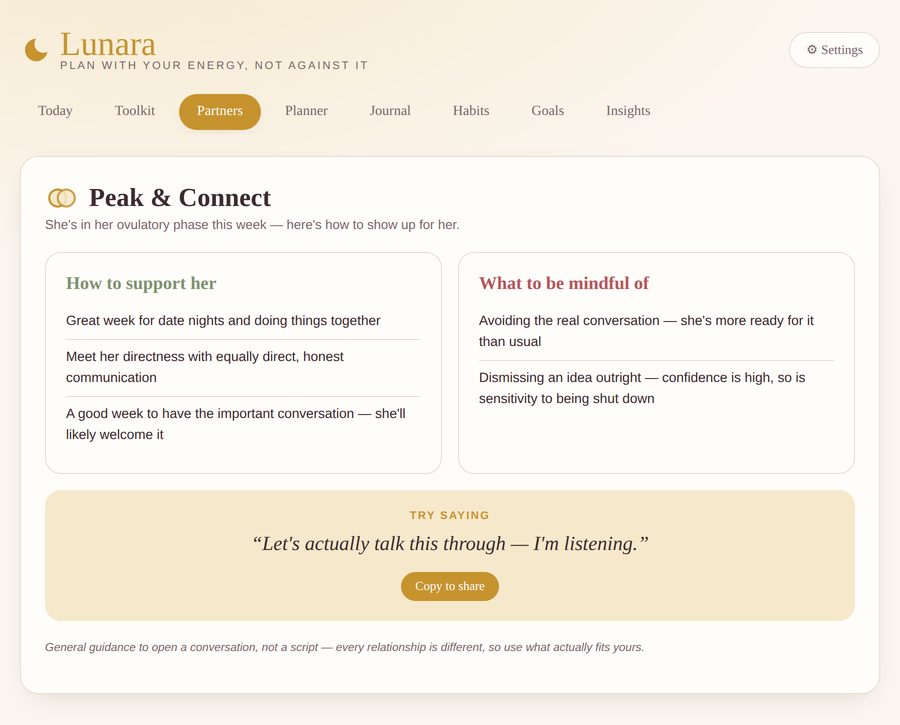
Anyone whose energy, focus and mood move in a cycle a generic planner ignores, and the partners who want to actually understand how to show up for them, via a built-in Partners view that turns "how are you feeling" into specific, practical guidance.

General wellness inspiration, not medical advice. Everyone's body and cycle are different, and Lunara is a personal build, not a clinical tool.

Try Lunara ↗
Selected work: 04

VestiVogue

Built from zero.
No paid ads. Solo.

Why

It started as a curiosity around ecommerce and social selling: could a fast-fashion label actually work with no ad budget, no team and no storefront, living entirely inside social feeds?

What

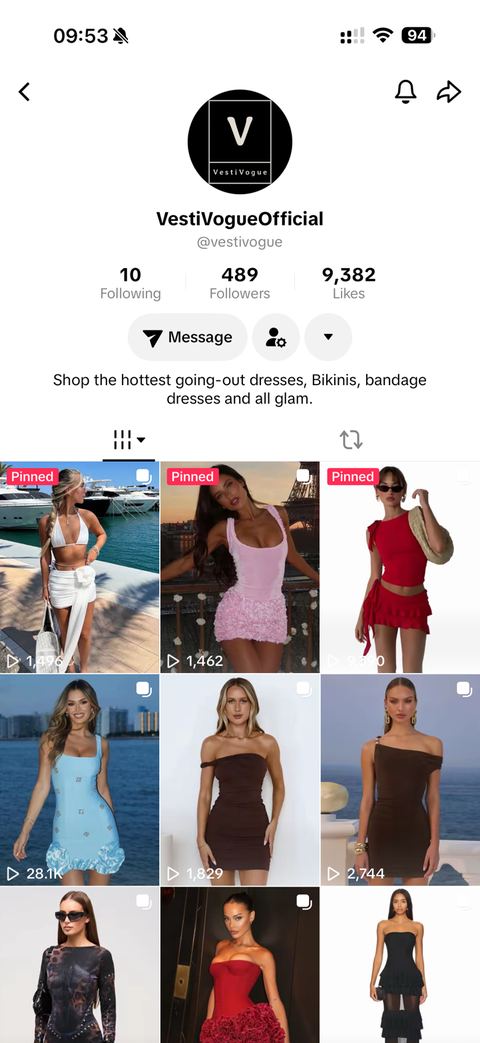
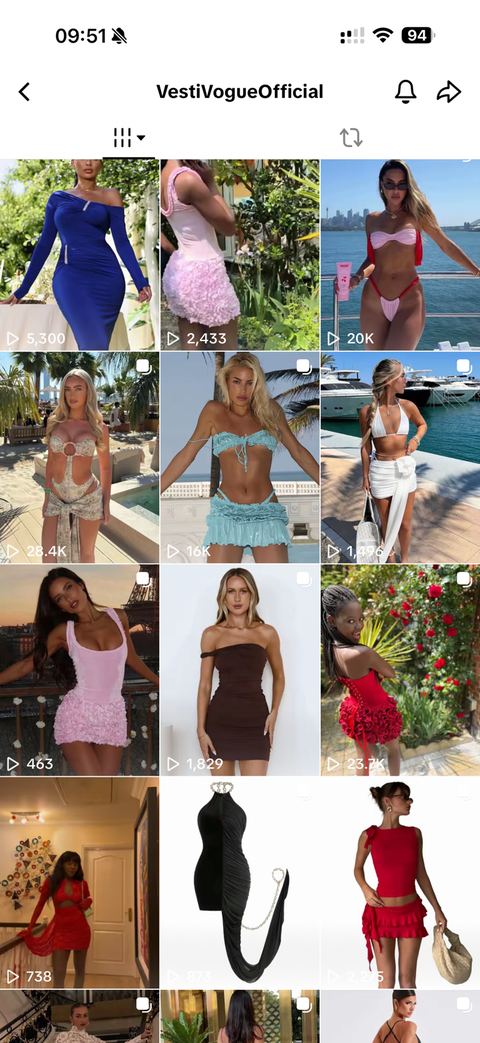
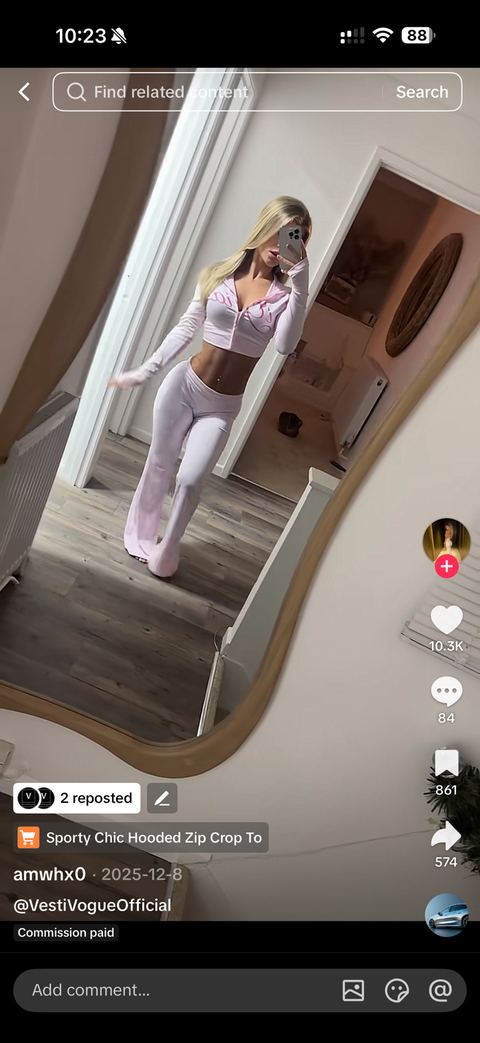
A fast-fashion label grown organically inside TikTok's existing platform: content, creators and a sharpening feel for what the algorithm rewards, backed by an on-demand, drop-shipping supply model.

Press: IssueWire, November 2024

Who it's for

200+ commission-based creators who earn from every sale they drive, and shoppers across borders discovering affordable pieces through organic content, not ads.

0
Organic TikTok views in 15 days
0
Click-through rate
0
Commission-based creators
0
GMV growth vs prior period

The work, swipe through

Pausing VestiVogue, on purpose.
Growth was outpacing cash flow, and keeping customers happy meant slowing down to catch up rather than pushing through. I'm now taking those learnings and looking at where they go next, likely another corner of ecommerce, away from fast fashion.
The goal

Never just to sell dresses. It was to learn how digital commerce actually works, so every venture after this one starts smarter.

Logistics is what customers actually cared about, not the brand, not the marketing. Trust mattered more than speed: it didn't matter how long an order took, only that I kept communicating. The moment I went quiet, that's when people got nervous. And they bought in tight windows, a spike around 10pm and another around 6 to 8 in the morning, both well outside a normal working day.

When demand outpaced what I could fulfil, I'd sometimes cancel an order, only for the same customer to place it again, five times over, until it went through. Customers don't care who sells them the product. They care about getting it.

TikTok Live and influencers turned out to be the real growth channel, and I learned more from doing this than I ever would have from a report. I got good at predicting what would sell just from my own past listings, and fluent in TikTok's language: the visuals, the copy, meeting my audience exactly where they already were.

An interesting journey, and a set of ecommerce instincts I'm carrying into every venture that follows.

Meet my co-worker and lead developer.

C
Claude
Lead developer · £20/month · 2am collaborator

Every product on this page got built with Claude sitting right next to me, writing code and untangling bugs for about £20 a month, never once complaining about "just one more small change" at midnight. It has made my passion for entrepreneurship so much more fun, even when we hit the odd language barrier trying to speak human with my very robotic friend. AI and automation that do real work, on this page, mostly means Claude. Credit where it's due.

I understand both sides

Structured organisations and entrepreneurial environments: I move between both comfortably.

Rail Systems Innovation Manager
HS2 Ltd
2026 to Present
Senior Innovation Analyst
HS2 Ltd
2023 to 2025
Innovation Consultant
Capco
2022 to 2023
Strategy Analyst
Accenture
2021 to 2022
Graduate Rail Systems Engineer
Mott MacDonald
2020 to 2021
View / download CV

Call me Clem.

I'm happiest when I'm building something. It's the 1am kind of happy, half-asleep and trying to figure out how to growth-hack a marketplace in Kenya, or turning over what could actually shorten how long a council complaint sits untouched.

Or something quieter: finding a system that helps me stay on top of my own life, like Lunara, the cycle-productivity app above. I built it for myself. It's the tool that tells me when to go all in on an idea, and when to just make a hot chocolate and watch my telenovela instead.

At heart I'm a builder and an operator, and I'm genuinely passionate about making a dent in how things currently work. I didn't plan it this way, but almost everything I make ends up converging on the same thing: people. If a project isn't making a real difference to someone, I struggle to see the point of doing it. That's probably what's pulled me toward venture and innovation work across very different sectors. Different rooms, same thread.

I like to say I was born an entrepreneur, though my grandmother probably had a lot to do with it too. She taught me to grow sweet potatoes and keep chickens for eggs, and had me selling both to the neighbours before I could count properly. That was my snack money, and it's what kept me interested in her farm work in the first place.

Outside of building things, I run. 15km a few times a week when my ankle behaves, though I clearly missed the fast-Kenyan-runner gene everyone assumes comes standard issue (nowhere near as quick as the reputation suggests). I lift weights too, and I love it: everything else switches off for that hour, and there's something satisfying about actually watching yourself get stronger. And then there's coffee. I stopped counting after 10 pods a day, though it somehow still lets me fall asleep anywhere, any time. That one might be my actual hidden talent.

Mostly, though, I'm just passionate about ideas.